Researcher and educator in narrative analysis and folklore studies — examining oral traditions, ritual speech, and cultural identity in South Indian and indigenous communities through structuralist and comparative frameworks.
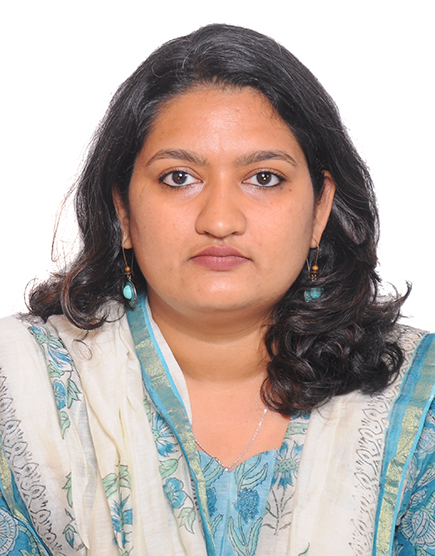
Dr. Haseena Naji is an Assistant Professor in the Division of English, School of Social Sciences and Languages, at Vellore Institute of Technology, Chennai. She is a researcher and educator specialising in narrative analysis, folklore studies, and indigenous knowledge systems, with a strong foundation in structuralist and interdisciplinary methodologies.
Her work explores ritual speech, oral traditions, and cultural identity, particularly in South Indian and indigenous communities. She integrates comparative folklore studies, linguistic anthropology, and performance analysis to examine how oral traditions function as sites of cultural memory, resistance, and knowledge transmission.
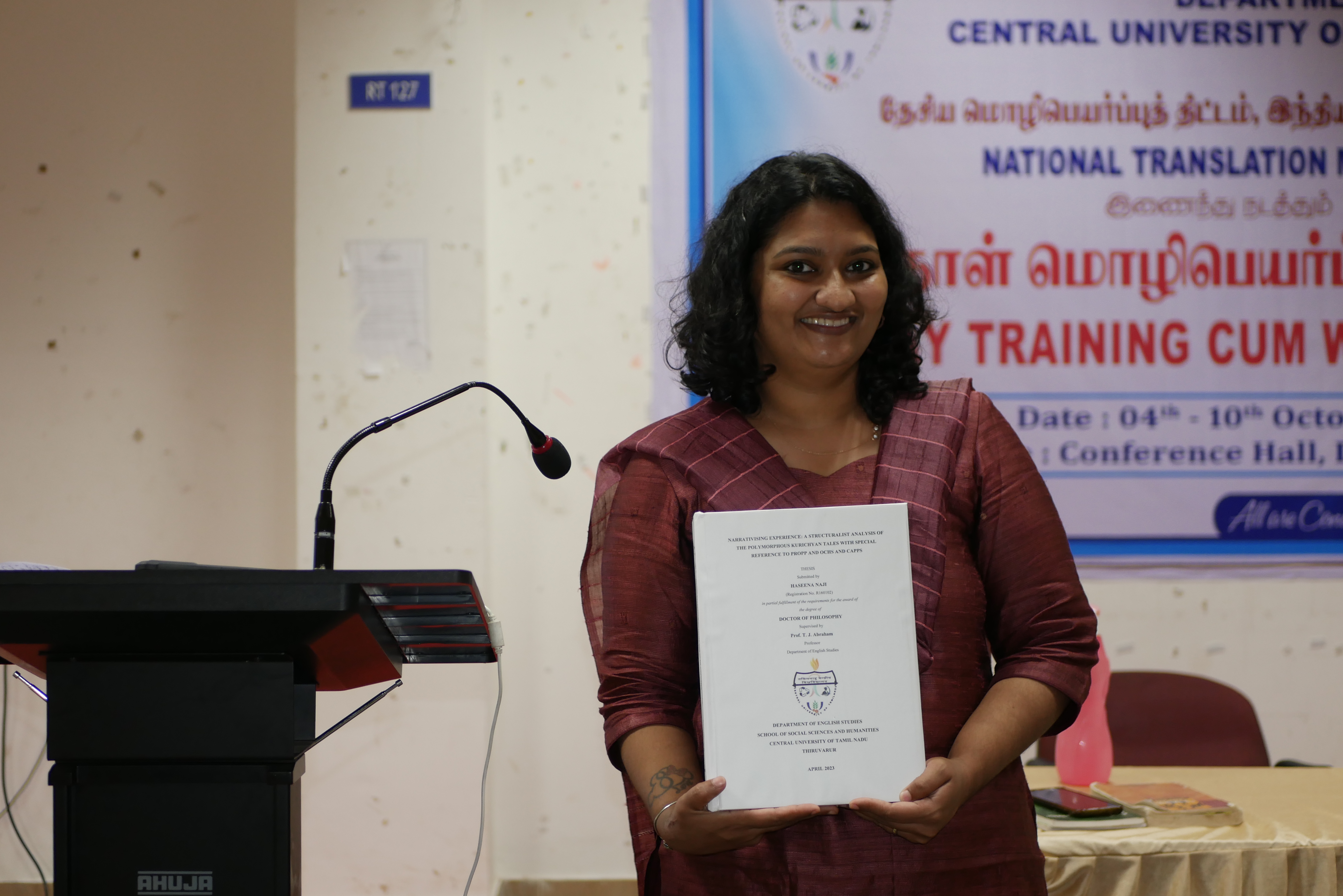
Her doctoral thesis, “Narrativising Experience: A Structuralist Analysis of the Polymorphous Kurichyan Tales with Special Reference to Propp and Ochs and Capps” (Central University of Tamil Nadu, 2023), argues that universal structural frameworks like Propp’s are insufficient for capturing the semantic richness of indigenous oral narratives, and that incorporating Ochs and Capps’ dimension of linearity provides a more comprehensive analytical lens.
She has conducted extensive ethnographic fieldwork among the Kurichyan community of Wayanad, Kerala, documenting oral storytelling, ritual songs, and indigenous knowledge transmission. She is dedicated to preserving and critically analysing indigenous storytelling practices through active contributions to academic networks, interdisciplinary collaborations, and scholarly publications.
Dr. Naji’s research sits at the intersection of narratology, folklore studies, and structural analysis, seeking to understand how indigenous oral traditions encode cultural knowledge through narrative form.
Exploring the formal structures and dimensions of storytelling across cultures and traditions.
Applying and critiquing structuralist methods in the study of folk narratives, moving beyond Eurocentric models.
Documenting and analyzing the Kurichyan tribal traditions of Wayanad, Kerala — their stories, structures, and cultural significance.
Extending and recontextualizing Vladimir Propp’s 31 narrative functions for non-Western tale traditions.
Integrating dimensions of tellership, embeddedness, linearity, tellability, and moral stance into structural analysis.
Studying myths and folk traditions as repositories of cultural memory and collective wisdom.
Long-term community-based documentation of oral storytelling, ritual songs, and indigenous knowledge transmission through participant observation and in-depth interviews.
Analyzing the discursive strategies and pragmatic dimensions of indigenous storytelling practices.
Examining death rituals, ancestral veneration, and commemorative practices as sites of cultural identity and community memory.
Ethnographic study of the rituals and ceremonies of the Kurichyan community in Wayanad, Kerala, India — documenting and analyzing the living ceremonial practices that sustain indigenous cultural identity.
Mortality, Taylor & Francis
Examines ancestral veneration and indigenous healing epistemologies among the Kurichyan community of Wayanad, Kerala.
Language and Language Teaching 23.1 (2023)
Investigates the construction and reinforcement of gender norms — hegemonic femininity and masculinity — in Kerala SCERT textbooks used in upper primary education (Classes 5 through 7).
Rupkatha Journal on Interdisciplinary Studies in Humanities 14.3 (2022)
A comparative Proppian analysis examining the oral narratives of the Kurichyan community of India and the Guarani of Paraguay, revealing how structuralist methods illuminate both convergences and divergences across culturally distant traditions.
Roots International Journal of Multidisciplinary Researches 8.4 (2022)
A structural analysis of the origin myth of Malakkari in the Tree Song (Marmaaya Paattu) tradition of the Kurichyan tribe, demonstrating how Proppian functions manifest in and must be adapted for this indigenous narrative form.
The Routledge Handbook of Dark Events: Celebrations, Heritage, and Customs of Death and the Macabre, ed. Brianna Wyatt, Hannah Stewart, and Philip Stone. Routledge.
Interstices of Space and Memory, ed. Sreedevi Santhosh et al. Routledge, 2025, pp. 117–22.
ISFNR 19th Congress, University of Latvia, Riga
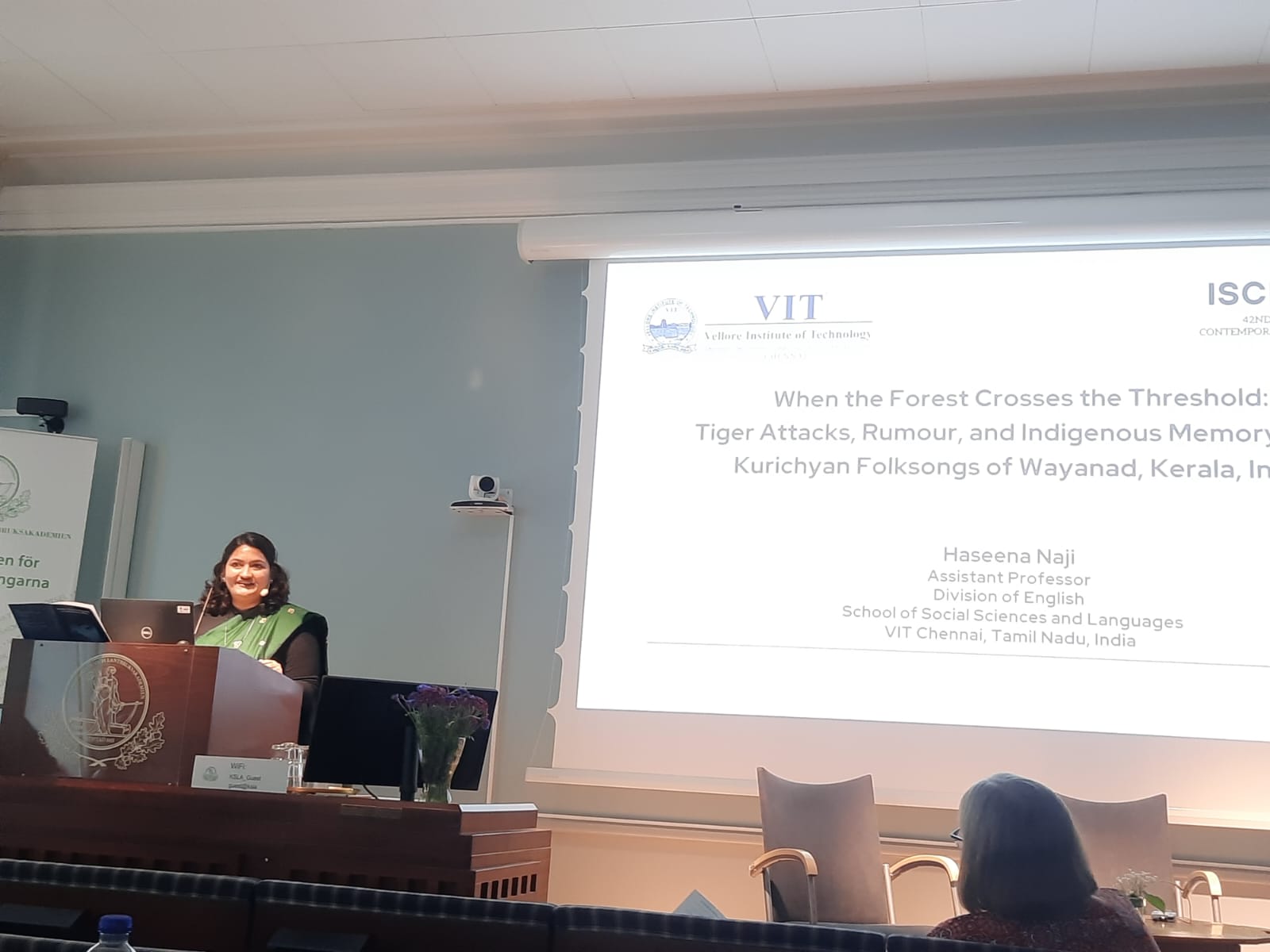
June 202442nd Perspectives on Contemporary Legend, Royal Swedish Academy of Agriculture and Forestry, Stockholm
June 2025137th Annual Meeting of the American Folklore Society, Atlanta, Georgia
October 2025Jeppiar College of Arts and Science, Chennai
December 2024Presented papers at 15+ international and national conferences across narratology, folklore studies, ecocriticism, and cultural analysis.
Presented at the American Folklore Society Annual Meeting 2025 (Atlanta) and the 42nd Perspectives on Contemporary Legend Conference, Stockholm 2025.
Cleared UGC Junior Research Fellowship and National Eligibility Test for Assistant Professor.
Conducted extensive ethnographic fieldwork among Kurichyan and Malai Pandaram communities in Kerala (2018–2025).
42nd Perspectives on Contemporary Legend, Stockholm, 2025
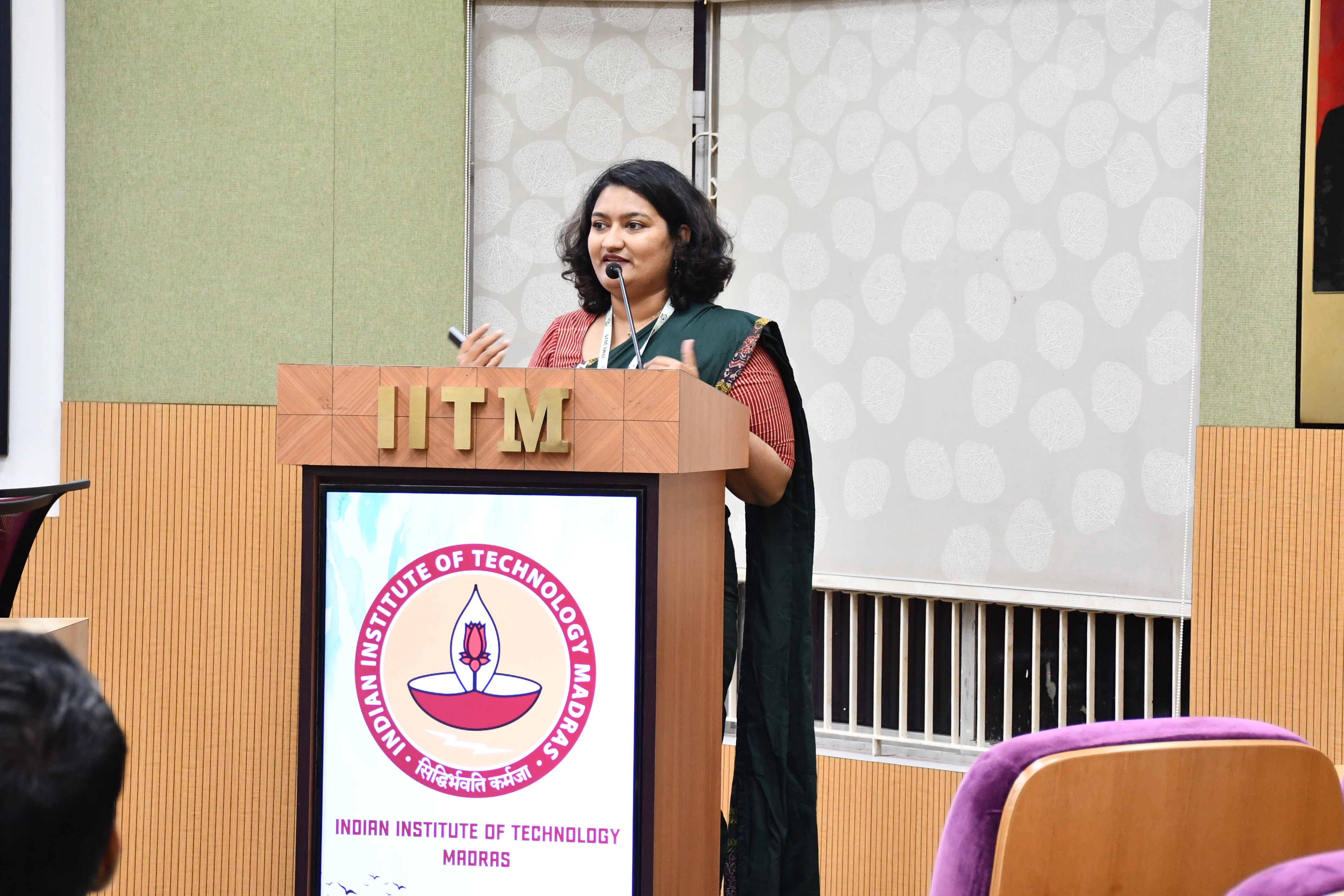
Indian Institute of Technology Madras
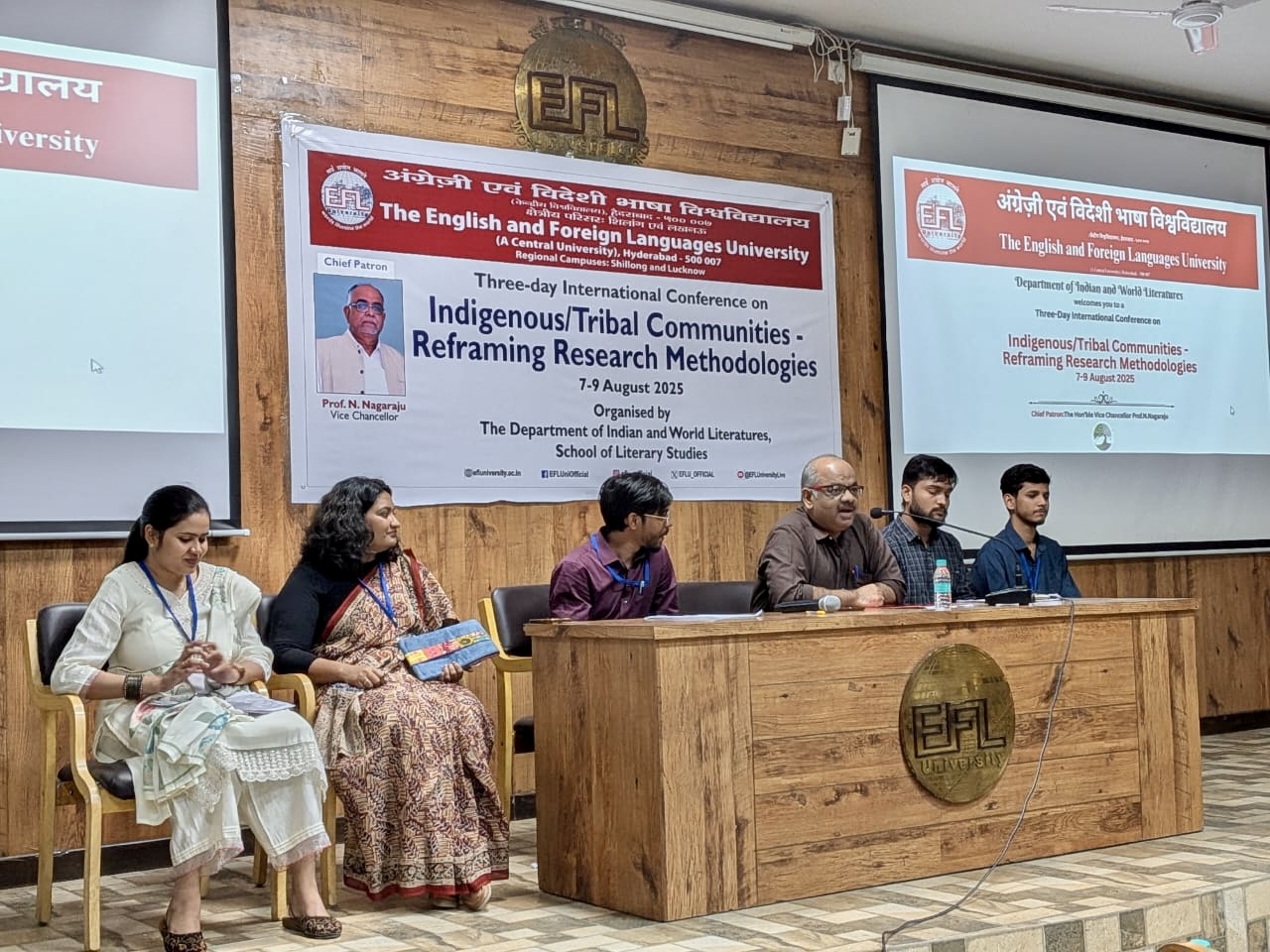
Indigenous/Tribal Communities — Reframing Research Methodologies, EFL University, Hyderabad, 2025
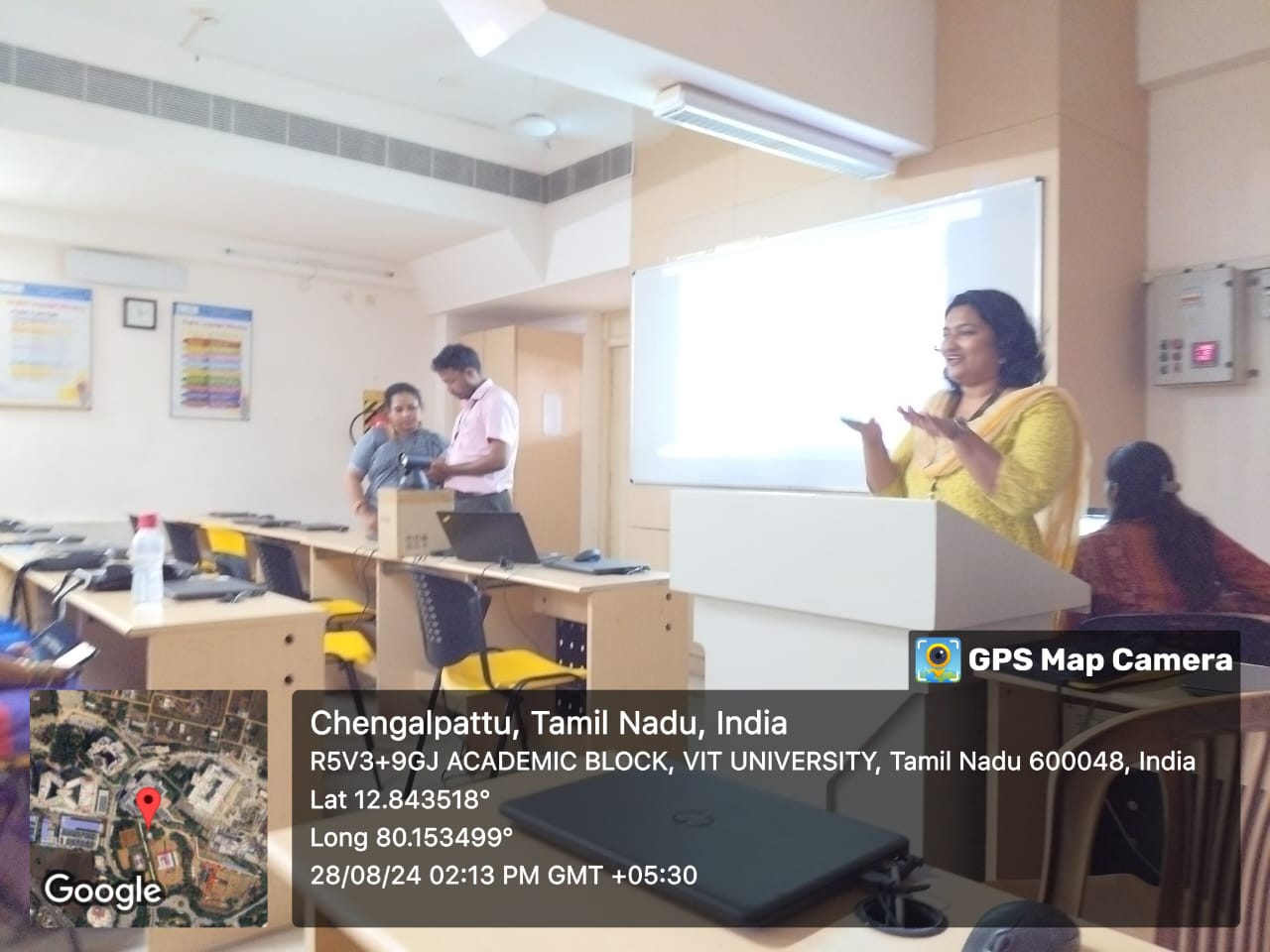
Lecture at VIT University, Chennai, 2024
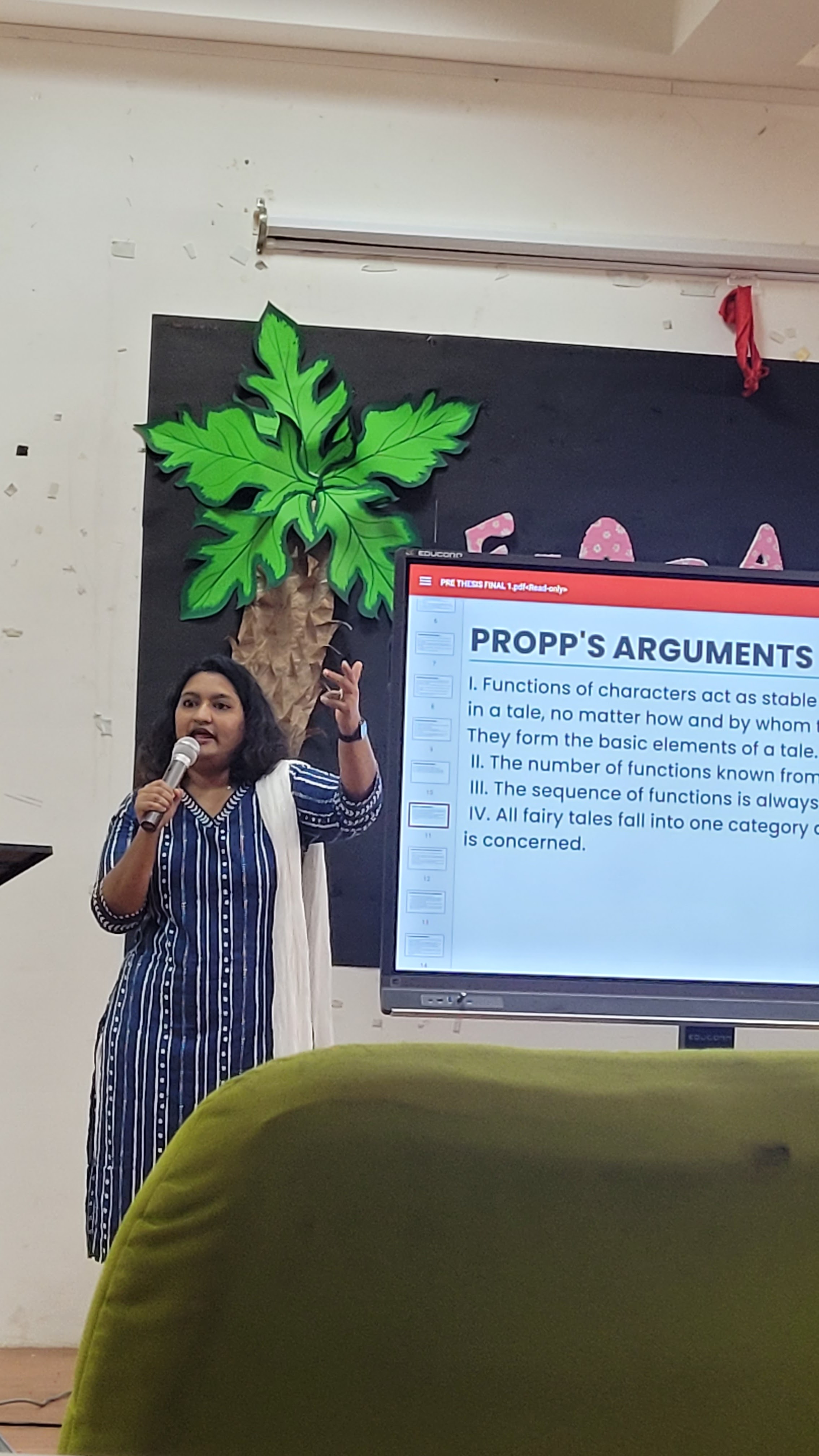
Pre-thesis Presentation on Propp’s Narrative Framework
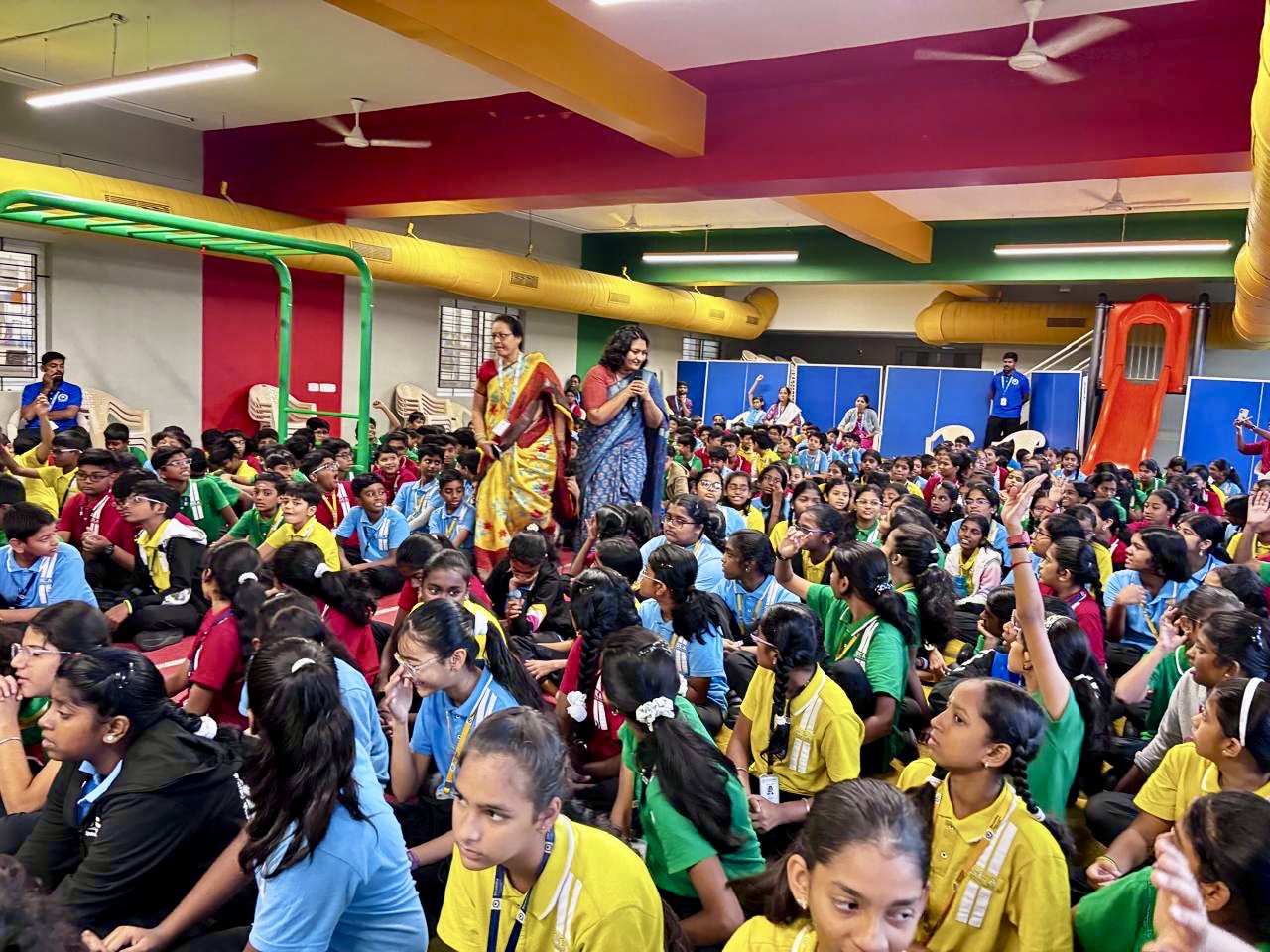
Outreach Session with School Students
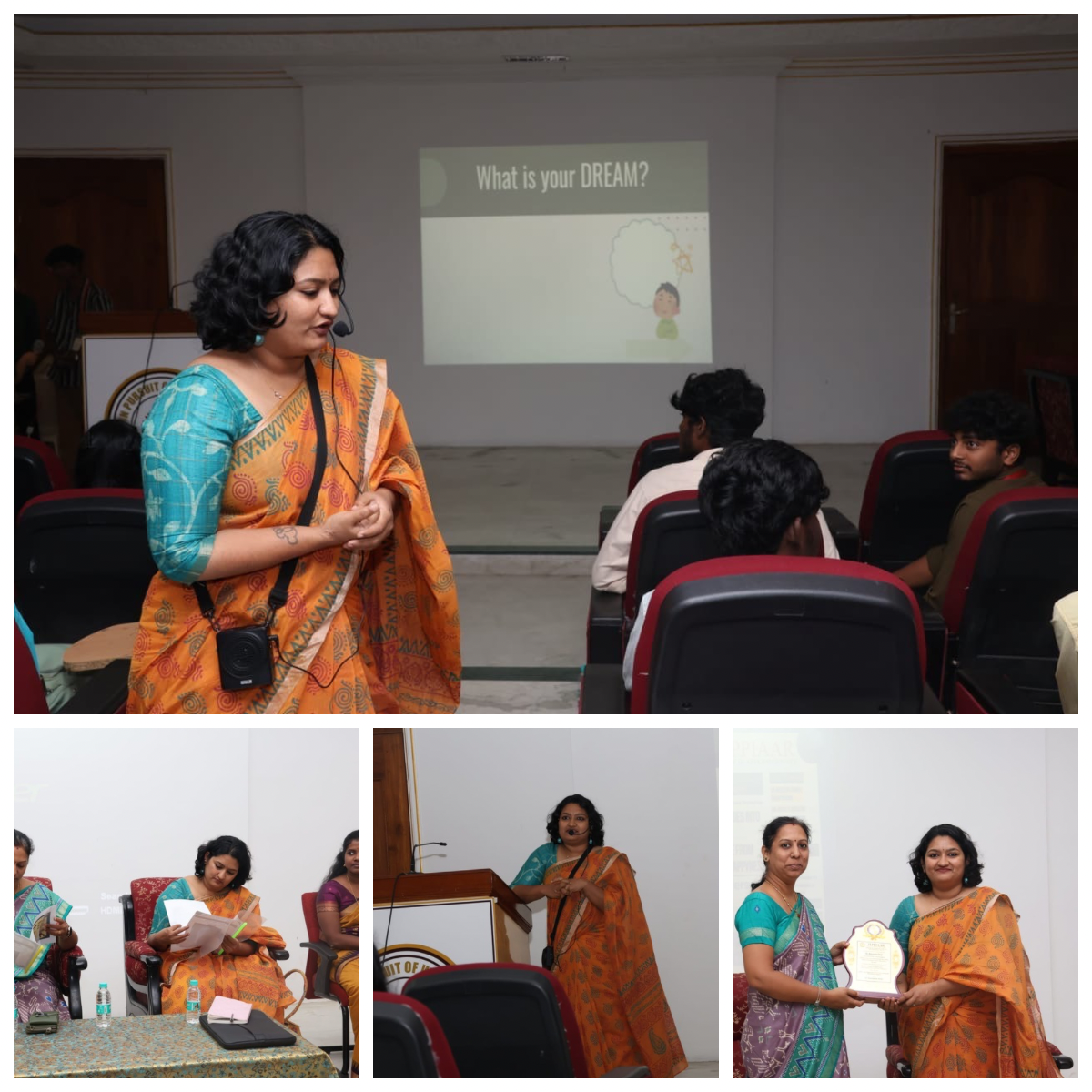
Keynote Address and Felicitation
With PhD Thesis — Central University of Tamil Nadu
A computational tool for analyzing narratives using an integrated framework that combines Vladimir Propp’s 31 narrative functions with Ochs & Capps’ five narrative dimensions. Designed specifically for non-Western and non-linear narratives.
Built on the theoretical foundation of Dr. Naji’s doctoral research on the polymorphous Kurichyan tales.
Division of English
School of Social Sciences and Languages
Vellore Institute of Technology, Chennai
Tamil Nadu, India